Shopify for Serbia is a common first choice because the catalogue, theme and cart start quickly. The customer still asks about cash on delivery, a price they understand and a delivery time you can meet. If those three do not pass a test order, advertising only accelerates complaints.
Sourcing is separate work. Buying from China and dropshipping are not solved in the theme. The product-to-site sequence is in the online-shop guide.
What the shop must do before the campaign
- Product page with real sample photographs, dimensions and material. A factory rendering is not a photograph.
- The same currency on the card, in the cart and in the confirmation.
- VAT displayed as the customer sees it. Tax appearing only at the end is not a minor setup detail.
- Payment methods you have personally tested with a successful and declined card.
- Delivery text matching where goods actually depart from.
Most first shops fail the last point. The theme says “1–3 days”, the ad talks about goods from China and the customer believes the shorter sentence.
Currency and VAT without mixing
The dinar or euro display must be identical on the product card, in the cart and in the customer document. “Euro on the site, dinar on delivery” without a stated exchange rate creates a doorstep dispute.
Agree the tax rate with your accountant and configure it before traffic. Duty and VAT when importing into your warehouse are a separate calculation before the product reaches the shelf. That is landed cost, not Shopify setup.
If you sell to companies and consumers, do not mix two displays on the same page. The consumer reads one price and the company another with a document. Two unlabelled prices in the cart look like an error.
Cards: a test that must fail once
The card processor must work with your company and target market. Do not assume the platform’s built-in payments cover a company registered in Serbia. Check on setup day one.
Run four tests:
- successful payment, then verify paid status and stock reduction
- declined card, then verify goods are not reserved permanently
- customer message in the site language with order number
- cancellation or return, then verify the position is restored
If shop administration and the statement disagree, advertising waits. A better theme does not fix it.
Cash on delivery only when goods are in Serbia
Cash on delivery requires a courier collecting at delivery and three rules written before the first order:
- what happens if the customer is absent or refuses
- who pays return freight
- how long goods wait and whether they return to stock or are written off
Without that text, cash on delivery looks like more sales but in practice creates more refusals, journeys and cash arriving later than card payments.
It makes no sense for a shipment only starting from China. A Belgrade courier cannot collect for a package outside its network. If part of the catalogue ships without stock, that part does not offer cash on delivery. State it on the specific product, not in a general delivery article nobody opens.
Two delivery times, two sentences
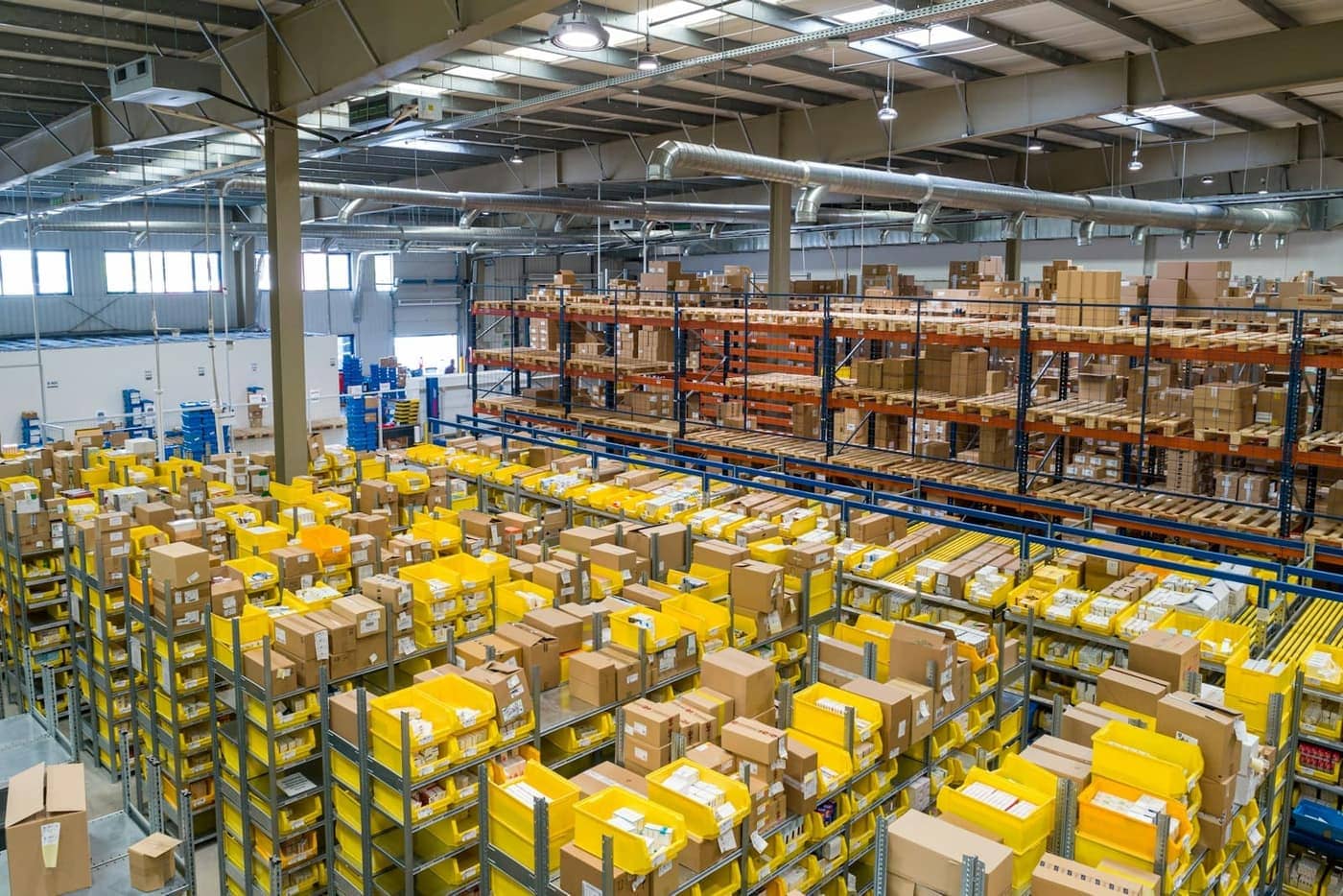
Serbian warehouse
courier timing in working days within the country, suitable for cash on delivery.Shipping from abroad
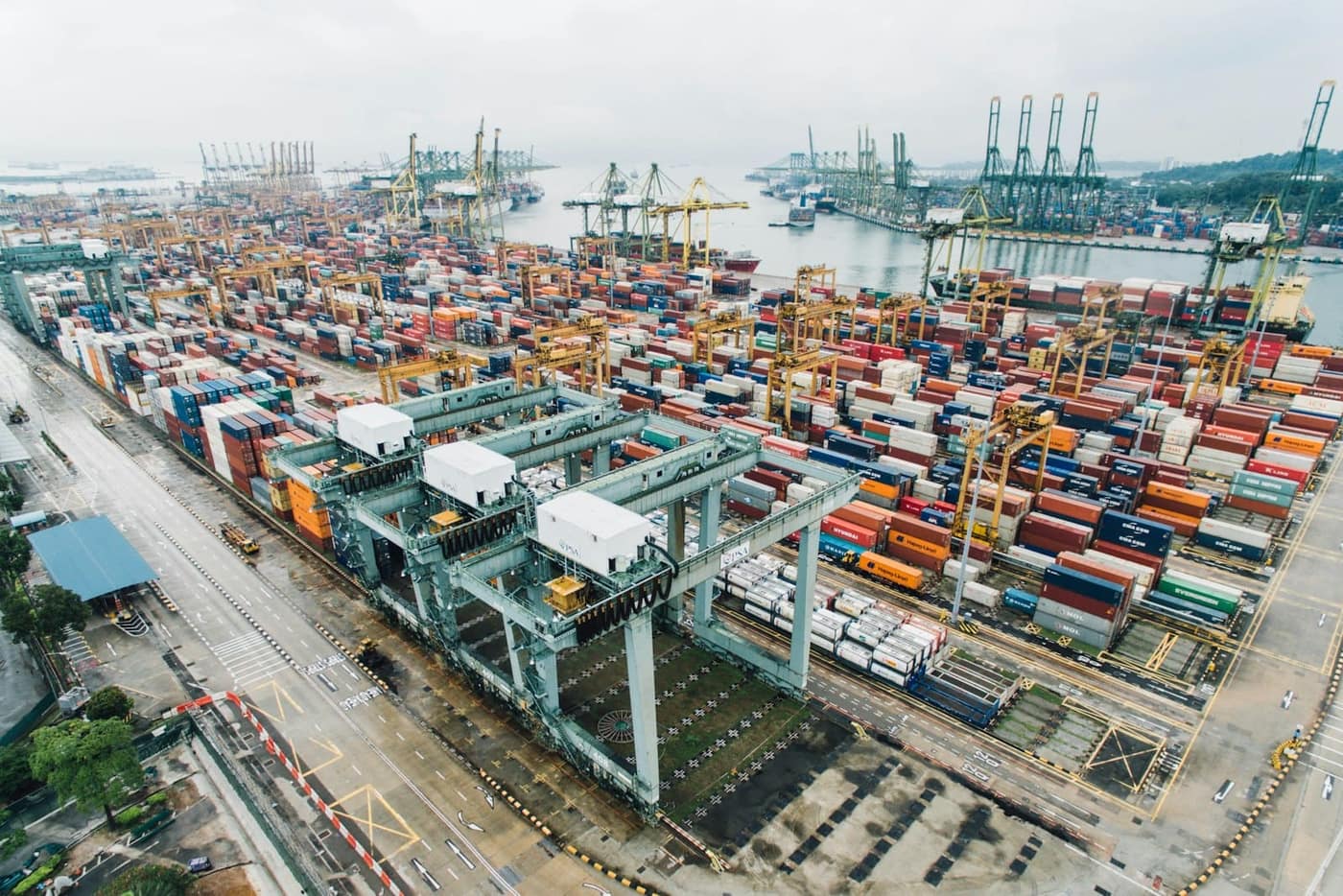
longer timing depending on warehouse and customs en route. Do not use the template’s “fast delivery”.
If you have both, every product must clearly show its origin. The customer reads one sentence below the button. If you cannot write it without “usually” and “depends”, the channel is not ready.
What appears on the product page
- Title: material and purpose, not “premium”. Beech is beech and plastic is not metal.
- Price: one amount with VAT when selling to consumers, identical in ad, card and cart.
- Delivery: “Ships from Serbia in 1–3 working days” only if stocked. “Arrives from abroad, usually 10–25 days” when shipping without stock. Never both together.
- Dimensions and weight: measured on the sample. A catalogue error of one centimetre creates a return.
- Returns: days, who pays return freight, required condition and whether card and cash-on-delivery rules match. Write before the first complaint.
If you cannot complete returns, cash on delivery is not ready. A button in the theme does not mean it should be enabled.
Cash on delivery as a number, not a feeling
Cash on delivery can increase both orders and refusals. Before enabling it, assess similar deliveries and record:
- how many customers do not open the door
- how many open and refuse
- the cost of a second journey and return
- how many days courier cash takes to reach the account
If 15 of 100 shipments do not end in payment, that cost enters margin before ads. Cards are slower at checkout and faster in the account, while cash on delivery is the reverse. Both are valid, but cash on delivery for goods outside Serbia is not.
The courier in setup must be the one you contracted. If the contract covers Belgrade and the site promises all Serbia, that is a future complaint.
What happens after clicking pay
Card succeeds: the order is paid, stock decreases, the customer receives a message and you see the same number in the shop and processor statement.
Card is declined: goods are not reserved, the customer sees an understandable message and can retry without an empty duplicate order.
Cash on delivery: the order is not paid but awaiting delivery. Stock is reserved. If the customer cancels before courier, the reservation returns. If the courier departs and the customer refuses, you already know who pays the return.
Document: consumer and company are not the same paper. Do not put both in one unlabelled cart. A price excluding VAT looks lower to a consumer only until the final amount is shown.
What Papillon sets up and does not
The e-commerce development package covers structure, up to 20 products or variants, basic payment and delivery connection and a test order. Custom themes, photography and ads are not that package. The platform is agreed, and Shopify is common but not the only choice.
Papillon does not set up the shop instead of sourcing. If the product has not passed a sample, a better cart does not fix quality. Specification and supplier come first, then the site.
In your brief, name the product, whether goods are already in Serbia or need importing and whether cash on delivery must work from day one. Contact.
Next step
Send the request: category, quantity, and date. You get a reply within 24 hours, with an outline of the total cost to destination where we can price it.