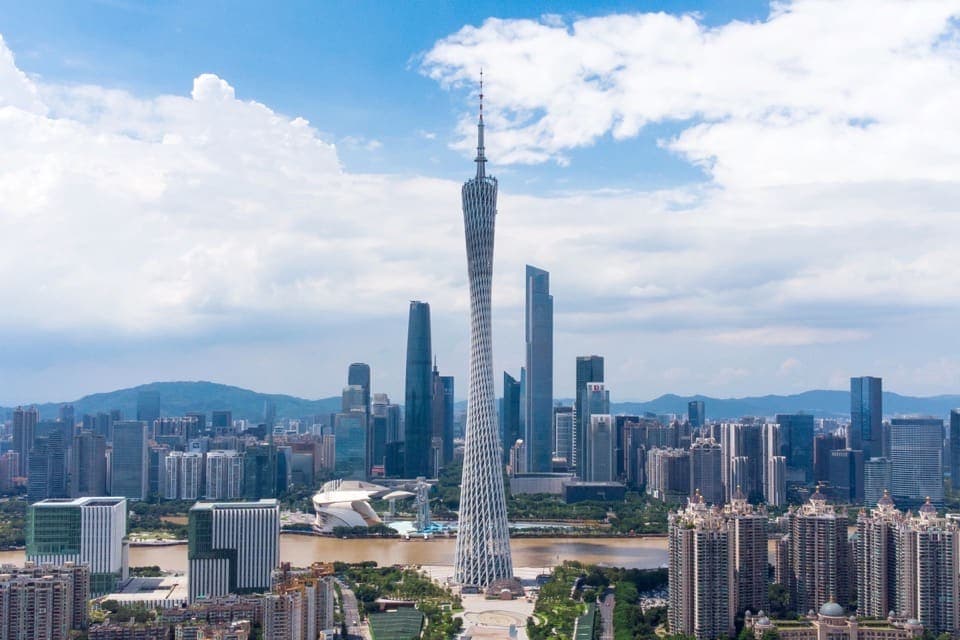
Canton Fair 2026, three phases by category
Canton Fair 2026 in Guangzhou (Pazhou) is the wide export fair. Spring runs 15 April to 5 May. Autumn runs 15 October to 4 November. Each cycle has three phases, and the halls change with them. A booth is a meeting. The factory is a different address. Papillon turns one phase into a checked list, a plant visit, and, when the sample holds, an order.
Phases
15–19 Apr
Phase 1, spring
Electronics, machinery, lighting and tools.
23–27 Apr
Phase 2, spring
Home, furniture and gifts. Do not spend this week in the electronics halls.
1–5 May
Phase 3, spring
Fashion, textile and health.
15–19 Oct
Phase 1, autumn
Same categories as spring phase 1. Hong Kong week sits just before it.
23–27 Oct
Phase 2, autumn
The furniture and home week. Yiwu is the same stretch of October, not the same day.
31 Oct–4 Nov
Phase 3, autumn
Fashion and textile. Then the cycle is over.
Worth the flight
- The category sits in one phase, and you know which.
- You can add a plant day in Foshan, Shenzhen or Dongguan.
- You will wait for a sample before the deposit.
- You want a short list, not every hall.
Skip this fair
- One carton and no product request.
- You need the lowest MOQ and mixed small goods. Start in Yiwu.
- You will not visit a factory after the hall.
- You plan to walk all three phases as one holiday.
How Papillon runs Canton
One phase, a booth list, a day in the hall, then the plant that can actually make the series.
Lock the phase
Furniture does not belong in phase 1. Electronics do not belong in phase 3. The request names the phase before the flight.
List the stands
Eight to twelve booths. For each: factory or trader, MOQ, lead time, and whether the sample on the shelf is their line.
Walk with the list
The hall is for the question, not for the order. A card without an answer does not make the report.
Leave for the plant
The next day is the line. If the line does not match the booth, the name comes off the list.
A day in Pazhou
The complex is large enough to waste a day between the wrong halls. We start from the list, not from the aisle that looks busy. Ten minutes at a stand is enough to learn whether the person can name the plant, the MOQ and the lead time.
If they cannot, we move. The fair rewards a short list with answers, not a long list of logos.
Dates for the rest of the year sit on China trade fairs 2026.
A booth is not a factory
Many stands sell goods they do not make. That can be a valid trader for a small test. It is not a valid story when you need the same lot for a year.
The check is simple. Who owns the line. Where it sits. Whether you can stand on it this week. Papillon books that visit before you fly, so the hall day and the plant day are one trip.
Where you go after the hall
Phase 1 points at Shenzhen, Dongguan and the electronics belt. Phase 2 points at Foshan and the furniture towns around Guangzhou. Phase 3 points at the textile side of the delta, not at a furniture plant you passed in a brochure.
Guangzhou also has wholesale streets that run outside the fair. They are a second look, not a substitute for the line. Consolidation from this region makes sense when the factories are actually here.
From a card to a deposit
After the hall: sample, written approval, purchase order, production, QC, then freight. A sample that is not already in your hand takes about 2–5 weeks. Sea freight takes about 35–52 days once the box is sealed.
QC is before loading. Landed cost, with duty and origin papers, is what you look at before the deposit. A trade agreement applies only when the HS code and the certificate of origin say so. The fair does not grant that.
What we send you after
A report with who stays and who drops. MOQ, lead time, factory or trader, and whether the plant visit confirmed the booth. Then a decision: series, another sample, or stop.
Business travel covers the trip and the report. Sourcing management covers the chain after you decide to order. The fair page is not a promise that every stand becomes a supplier.
Frequently asked questions
Spring is 15 April to 5 May. Autumn is 15 October to 4 November. Each cycle has three phases. Confirm before you book flights.
Phase 1 for electronics, machinery and lighting. Phase 2 for home, furniture and gifts. Phase 3 for fashion, textile and health. Do not walk all three.
No. Confirm the line, the sample and QC. The hall is research. The deposit waits for a written sample approval.
Only in autumn, and only with a transfer plus a separate list for each day. Otherwise pick one.
Next step
Send the request: category, quantity, and date. You get a reply within 24 hours, with an outline of the total cost to destination where we can price it.