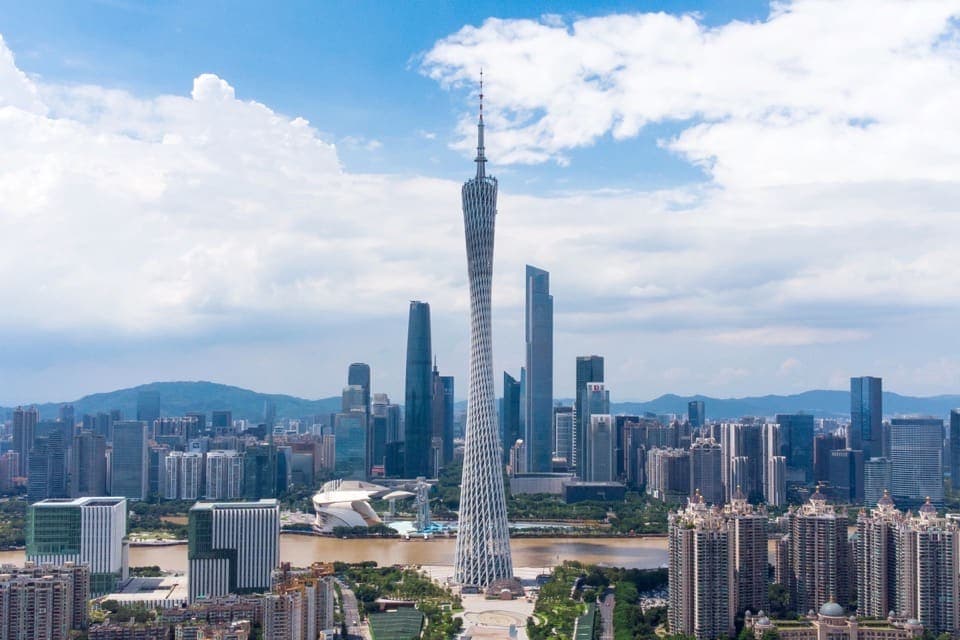
Canton Fair in Guangzhou is the largest open catalogue of Chinese industry for foreign buyers. For Balkan companies, it can be efficient research or expensive tourism with a bag of brochures. Preparation and disciplined follow-up make the difference.
Dates and phases are explained on the main Canton Fair page.
What the fair is
- Phases are divided by industry. Check the current schedule before travelling.
- Exhibitors include both factories and trading companies.
- With a clear brief, you can compare ten suppliers in one day.
The fair is not a place where every factory immediately provides a final EU price and a ready contract.
Before travel: mandatory preparation
- Trip goal: for example three candidates for a specific SKU, not merely “see what is available”.
- Technical specification or sample sheet: without it, conversations are not comparable.
- Question list: MOQ, production lead, export markets, tooling, moulds and QC.
- Pre-booked meetings: 8–12 booths you genuinely want to visit.
- Budget: samples, courier, local transfers and team time.
- Visa and a hotel near Pazhou: time is often worth more than a small hotel-price difference.
If you lack capacity for follow-up, source remotely first. It is a cheaper way to learn the process before buying a ticket.
How to organise a fair day
Reserve mornings for priority meetings and afternoons for additional research in the same hall. Do not try to cover every phase.
Each evening, record the booth photo, contact name, WeChat, answers and requested offer. Without same-day notes, only business cards remain a week later.
What to ask at the booth
Keep the focus for five to seven minutes:
- Are you a factory or trading company, and where is production?
- What are the MOQ and usual production lead?
- Do you export to the EU or Balkans?
- Can you manufacture to our drawing?
- What does the sample cost and how long does it take?
- Who has authority to confirm the price?
Detailed post-fair verification: How to check a supplier.
How to assess a booth quickly
Check whether they show real products or only advertising banners, discuss their own factory or only partners, and can immediately state MOQ and lead time. Ask them to send the catalogue and answers via WeChat the same day.
If answers remain unclear, mark the account as low priority and move on. Time is the fair’s most expensive resource.
Samples from the fair
- Take only samples that enter the RFQ.
- The sample must represent the series, not a specially prepared booth piece.
- Plan courier or consolidated sample returns in advance.
A sample not already available usually requires 2–5 weeks. The terms are explained in MOQ, samples and tooling.
Negotiating during and after the fair
The fair provides an indicative price. A more precise offer often follows quantity confirmation, a factory visit and a clear Incoterms term, such as FOB with the exact port named.
Do not sign a large deposit solely because of a positive fair impression. The deposit waits for a written specification, approved sample and inspection plan.
Follow-up during the first 14 days
On days one and two, send thanks and the specification. From days three to seven, send the same formal RFQ to every candidate. From days seven to fourteen, narrow the choice to two or three suppliers and order samples.
By day 30, complete a remote check or video line review. Without this rhythm, contacts remain only a PDF archive.
Factory visits after the fair
The greatest value of Canton Fair is often not the booth but a Guangdong factory visit during the same trip. Reserve one or two days for Dongguan, Foshan or the Shenzhen area according to category.
If the visit does not confirm the booth discussion, remove the supplier from the shortlist. That is a useful result, not a failed trip.
Alone or with a local team
Working alone makes sense with experience, language support and time. A local team accelerates the factory-versus-trader distinction, organises meetings and connects the fair with visits.
Compare the models in Sourcing agent or independent import and Remote broker or on-the-ground team.
What to carry physically
- Business cards, preferably bilingual
- A tablet or laptop with specifications available offline
- A small notebook for details that may be lost in WeChat messages
- A phone power bank and comfortable shoes
- A foldable catalogue bag, then digitise brochures each evening instead of carrying them home
Keep your passport secure and carry a copy. Use official taxi or Didi queues and never leave your bag at a booth.
Typical buyer mistakes
- Arriving without a technical specification.
- Collecting 40 cards without recording answers.
- Focusing only on price, without QC and COO/FTA documents.
- Attending a phase that does not cover your industry.
- Expecting a lower price without the volume to justify it.
Sourcing framework: China sourcing and the sourcing guide.
Documentation and import after the fair
Once you find a supplier, the usual rules apply: purchase order, QC, transport and FTA documents. The agreement has been in force since 1 July 2024. The fair shortens neither production, customs clearance nor sea freight of about 35–52 days.
Include the flight, hotel, transfers, food, samples, courier and local team in total trip cost. Compare that amount with the value of a verified shortlist.
Conclusion
Canton Fair is worthwhile when you enter with a clear brief, leave with a narrower list and continue work over the following two weeks. Otherwise it becomes an expensive source of souvenirs.
For meeting schedules, booth verification or factory visits, send a brief via contact. We will prepare a trip plan around your SKUs.
Next step
Send the request: category, quantity, and date. You get a reply within 24 hours, with an outline of the total cost to destination where we can price it.